
AI Is Like a Toolset and an Apprentice
And Most People Keep Using It Like Google Search
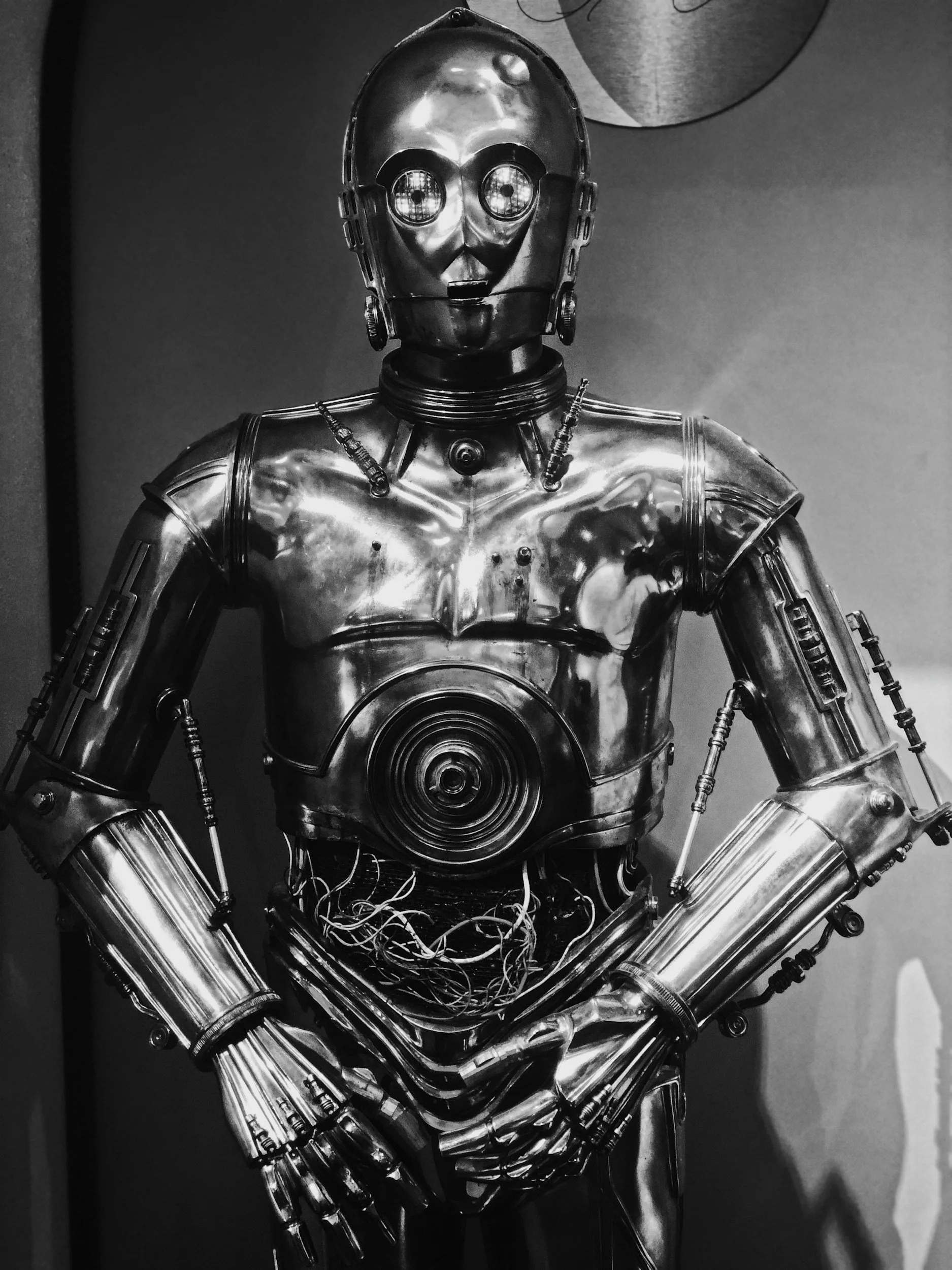
People swing to extremes when talking about AI. Either it’s going to become Skynet, or it’s just a massive, energy consuming recognizer of patterns. Fact is, it’s neither. It’s not the holy grail, but it’s not useless. It’s more like two things at the same (d@mn) time (enter Future lyrics):
A tool that speeds up your work
An apprentice that learns from you
Most people misunderstand AI because they only see one of these sides. When you use AI like it’s only a tool, you end up with the same generic results everyone else gets. When you treat it like it’s a fully trained employee, you end up spending more time fixing its mistakes than it actually generating work. The power of AI shines when you’re using it as both.
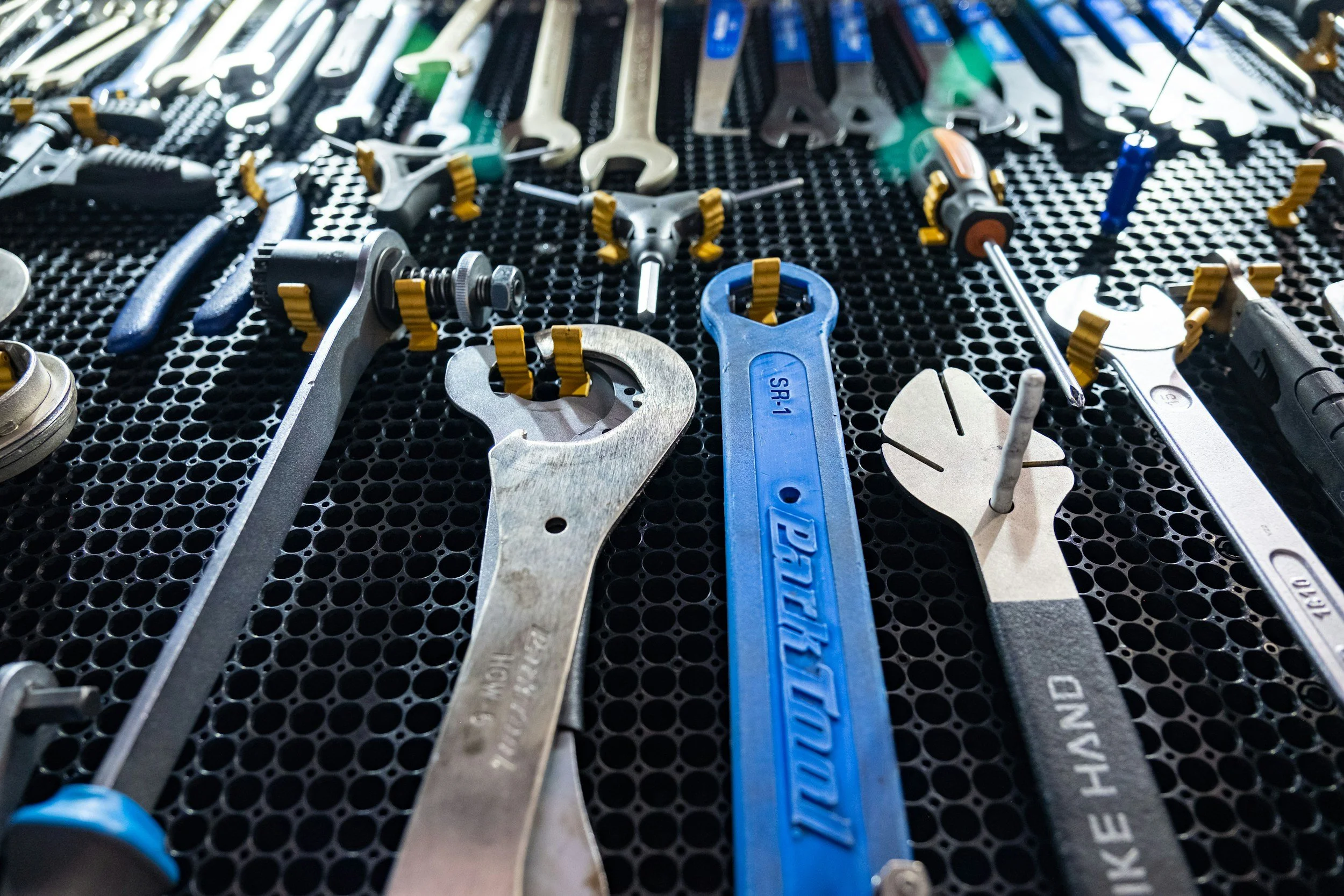
AI is a Tool. It’s fast, reliable, but completely clueless
Before I put on my suit and tie and worked in corporate America, I was a certified mechanic. A real one, not the guy who watches YouTube and thinks he’s ready to pull an engine.
Every mechanic buys tools (I can guaranty they’ve spent more on tools than they have on their SO’s). And if you’ve ever met a tech, you know they treat those tools and toolboxes like shrines. But as fancy and as expensive as they are, tools don’t make mechanics good. They make good mechanics faster.
AI fits this mold perfectly because it’s great at:
Drafting
Repetition
Formatting
Cleaning up data
Cranking out variations
But it has no idea why you’re doing any of it.
Give it a vague prompt and it’ll spit out vague work. Ask it for something “creative” without any direction and it’ll give you what every other company is already spitting out.
It’s like handing a brand new impact wrench to someone who doesn’t even know how to check the air in their tires. The problem isn’t the tool, it’s the person using it.
AI is your Apprentice. It learns quickly, but still needs you
AI isn’t just a tool, though. My wrenches never learned from me. My scan tool never said, “Oh, I get it now.” AI does, in a sense.
Give it:
Examples
Corrections
Tone
Preferences
Real context
It’ll adjust and get better. It’ll start producing work that sounds like you and understands what you’re aiming for.
That’s why two people can use the same model and get wildly different results. AI reflects the person using it.
If you treat it like a lazy intern, you’ll babysit it forever. If you treat it like an apprentice who’s trying to match your skill, you’ll get something that actually adds value.

The dumb mistake Companies are making. Expecting AI to do jobs it’s not built for
This is where companies f**k up, for lack of better phrasing.
We’re all seeing the pattern. We all seeing the writing on the wall. And we’re all in a panic because upper management is sending out messages like:
“We’re reducing the workforce because we’ve got AI now.”
“AI is doing the job of 10 employees.”
“AI is more efficient.”
In my humble opinion, this is how you end up with bland, identical messaging that sounds like everyone else. This is how you end up with cookie cutter houses. This is how you end up with an entire marketing/advertising/consulting industry filled with cookie cutter people with no unique ideas putting out tone deaf messages over and over and over again. This is how you get Hollywood remake after remake. This is how you get the same sounding songs year after year. Enough examples? Get the picture? Cool!
AI doesn’t know your customers, it doesn’t understand timing, and it can’t magically create a brand identity. It can’t resolve customer complaints (just look at how many people already get frustrated with AI chatbots), it can’t approve budget, it can’t legally sign, it can’t negotiate, it can’t sell, and most importantly it can’t get you coffee or offer to buy you lunch /s. If you fire the people who understand the finer nuances it takes to excel at those things, you’re left with a machine that can only remix patterns it already knows or a machine that can’t do anything at all.
The companies who do succeed with AI recognize this. And they all do things in similar fashion to each other:
Humans set the direction
AI handles the grunt work
Teams train the model with real examples
Humans review the final product
This mix works. Anything else doesn’t.
Using AI the right way
Using AI the right way

1. Use AI to speed up work
Let it handle the first drafts, the rewrites, the summaries, and the repetitive stuff that doesn’t need your full attention.
2. Train it like you would a junior teammate
Give it your voice. Show it your standards. Correct it. This is where it becomes useful.
3. Keep the strategic decisions human
AI can write sentences. It can’t choose priorities. It can’t understand customer psychology. It can’t see around corners.
4. Build your own “internal brain” for it
Feed it your brand guidelines, customer data, tone rules, strong examples, and frameworks. This makes AI output unique instead of generic.
5. Always check the work
AI is smart in some ways, but also confidently wrong in the most entertaining ways. It’s like that presenter on TED Talk showing a study that if something is said with enough confidence and conviction, people will believe it as being true. You see how I phrased that? I’m not even sure if what I just said is true myself. Review everything.
What it all means
AI is a great assistant and a horrible boss. It’s a powerful tool and a fast-learning apprentice. It’s not a replacement for expertise.
You bring the strategy, context, and creativity. AI brings the speed and scale.
Put those together and you’ve got something that actually gets sh*t done and makes you money. Treat AI like a magic solution or a complete dud, and you’ll waste time, money, and opportunities.